Ruins of Dawn Loot Guide
Last updated on: 2026-08-17
Quick Answer
Ruins of Dawn loot should be judged by usefulness, not rarity alone. Read the item type, compare the affixes to your current class, keep drops that improve survival or core damage, and avoid calling anything best-in-slot until boss drops, forging outcomes, and late-game loot tables are verified.
Jump to a section!
Quick Answer
Ruins of Dawn loot should be judged by usefulness, not rarity alone. Read the item type, compare the affixes to your current class, keep drops that improve survival or core damage, and avoid calling anything best-in-slot until boss drops, forging outcomes, and late-game loot tables are verified.
Before You Sort Your Inventory
Prerequisite: know which class you are currently testing and what problem you are trying to solve. If you keep dying, survival affixes matter more than damage. If fights take too long, damage and skill support matter more. If you are still testing classes, keep flexible items instead of narrow ones.
How To Evaluate Drops
### Step 1: Separate Immediate Upgrades From Experiments
Common Mistakes And Failure Recovery
- Mistake: selling all early drops by rarity color. Recovery: compare affixes first. - Mistake: hoarding every item. Recovery: keep only items tied to a class test, survival issue, or forging candidate. - Mistake: chasing boss loot too early. Recovery: use the bosses and rifts guide to decide when your gear is ready. - Mistake: following loot tables from other games. Recovery: require Ruins of Dawn evidence before using a table.
Practical Inventory Routine
Use a repeatable inventory routine after every few fights. First, mark anything that clearly improves your current class. Second, keep one flexible backup item for another class test. Third, sell items that only support a route you are not playing and do not plan to test soon. This keeps your stash useful instead of turning it into a pile of speculative gear.
What Is Still Unknown
Exact affix pools, drop rates, rarity odds, boss-specific tables, and best-in-slot lists are not safely available from public evidence yet. Do not publish those numbers until they are verified from Ruins of Dawn itself. A responsible first-release loot page should help players evaluate drops without pretending the full database already exists.
Recommended Next Steps
Start with the beginner guide, then test classes with the class switching guide. Once a class feels comfortable, use this page to identify gear worth forging.
Ruins of Dawn Loot Guide Overview
Loot is the heart of early progression, but beginners should not treat every higher number as an automatic upgrade. A drop matters when it improves the way your current class survives, deals damage, or clears repeated fights. The first job is to slow down and read the item. Look at rarity, core stats, affixes, and whether the item supports the build you are actually using. If the benefit is unclear, keep the item for a few encounters and compare how it feels in motion.
How to Compare Early Drops
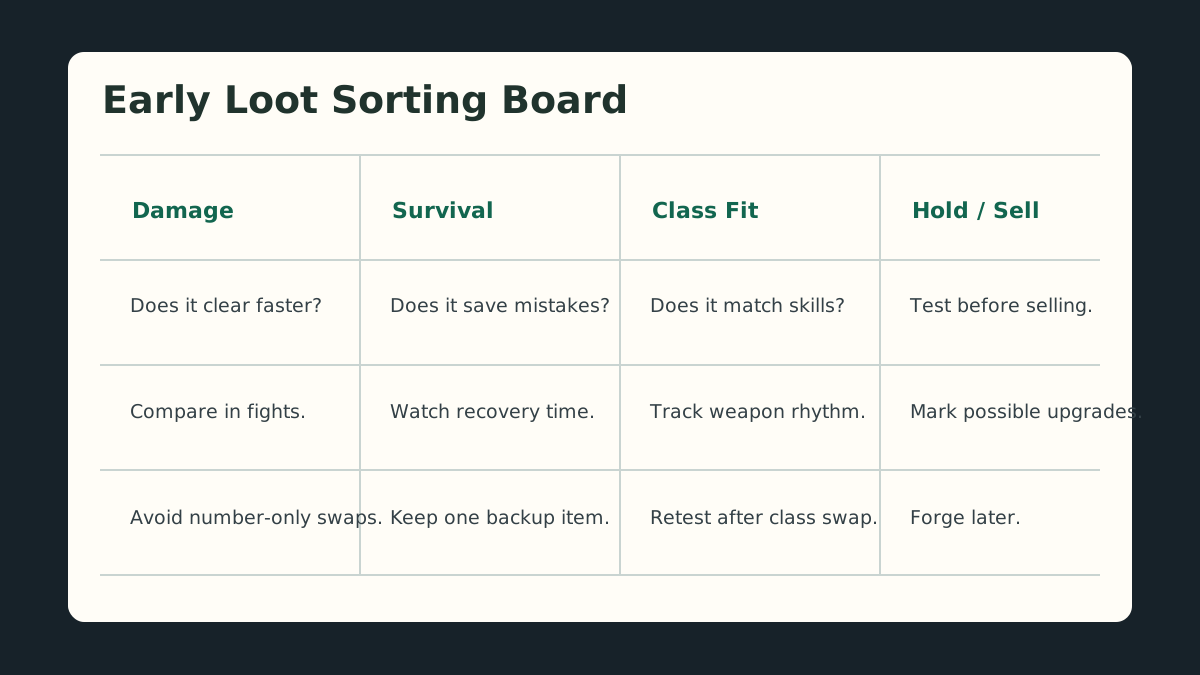
Use real combat as the test. Equip one item, clear a small set of enemies, then compare the result with your previous gear. Did enemies die faster? Did you take less damage? Did the item make skill timing easier? Did it create a weakness against tougher enemies? This method is slower than selling everything quickly, but it teaches the loot system. For a new ARPG, that knowledge is more valuable than a few early resources.
Loot Mistakes Beginners Should Avoid
Do not sell gear before reading affixes. Do not keep every item forever either; inventory clutter makes decisions worse. Do not upgrade a drop just because it is new. Do not assume an item is bad because it has a lower visible number if its affixes support your class. Most early mistakes come from judging gear in the menu without checking how it changes combat. The loot guide exists to make those comparisons more deliberate.
When Loot Becomes Build Direction
After several fights, patterns start to matter. If multiple drops support the same damage type, defensive plan, or class rhythm, your build direction may be forming naturally. That is the right time to think about forging or class commitment. Until then, treat drops as tests. A beginner who lets loot teach them will usually make better decisions than a player who forces a build before the game has offered enough evidence.
Ruins of Dawn Loot Sorting Routine
A simple sorting routine can keep the early inventory readable. First, separate items that clearly fit your current class from items that only look valuable because of rarity. Second, keep a small test group rather than hoarding every drop. Third, compare one item at a time in combat. Fourth, mark anything that improves survival or clear speed. Finally, sell or ignore gear that has failed several tests. This routine prevents the common beginner problem of turning loot into clutter instead of information.
Ruins of Dawn Loot Next Steps
After sorting early gear, decide whether your next question belongs in another guide. If an item changes your preferred class, read the class switching guide. If an item looks worth upgrading, read the forging guide before spending materials. If your gear only fails during bosses, rifts, ruins, or trials, read the challenge preparation guide. Loot decisions become easier when each drop points to the next practical test.